
How to Select Top Quality Paddy Rice for Export Success
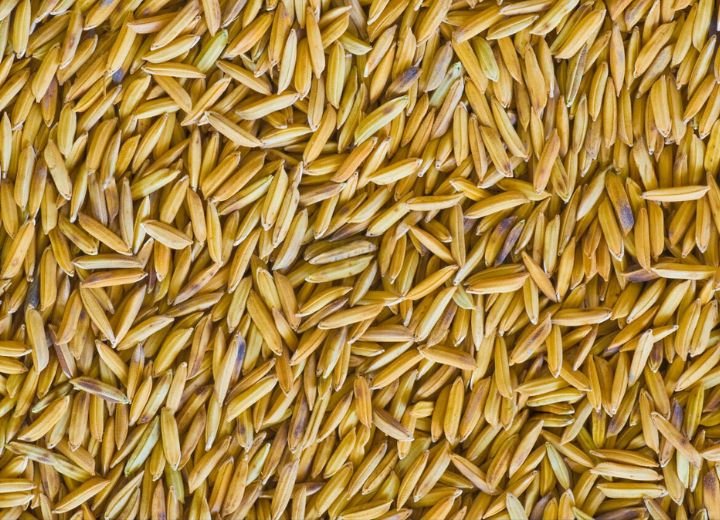
In global farm trade, choosing top quality paddy rice is key to export success. It is also vital for building a profitable rice export business. International buyers demand strict quality standards. Even small selection mistakes can cause shipment rejection, financial loss, and brand damage.
Whether you export basmati or non-basmati rice, you must understand key quality factors. These include grading, moisture control, milling quality, and purity standards. This knowledge helps ensure long-term success in international markets.
At aronbaijnauth, we help exporters understand the full process. We show how to select high-quality rice for international trade. This helps ensure steady business growth.
Why Paddy Rice Quality Matters in Export Business
The success of any rice export business depends heavily on raw material quality. Buyers from Europe, the Middle East, and Asia expect premium-grade rice with strict compliance.
Poor quality selection can result in:
- Shipment rejection at port
- Loss of international buyers
- Reduced rice export profit margins
- Damage to brand reputation
On the other hand, selecting export-quality paddy rice ensures:
- High milling yield
- Better grain appearance
- Strong buyer trust
- Long-term export contracts
This is why understanding how to choose rice for export business is critical.
1. Source of Paddy Rice for Export Quality Standards
The first step in how to select top quality paddy rice for export success is identifying the correct farming source.
Key factors include:
- Soil fertility and type
- Climate conditions
- Water irrigation system
- Farming techniques used
Rice grown in nutrient-rich soil with proper irrigation produces better grain structure and higher export quality.
2. Grain Size, Shape, and Uniformity (Rice Grading for Export)
One of the most important rice grading and quality parameters is grain uniformity.
High-quality export rice should have:
- Uniform grain size
- Long and clean grains (especially basmati rice)
- Minimal broken grains
International buyers prefer consistent grains because it ensures:
- Better cooking performance
- Attractive presentation
- Higher market value
Any mixture of different grain sizes reduces export quality significantly.
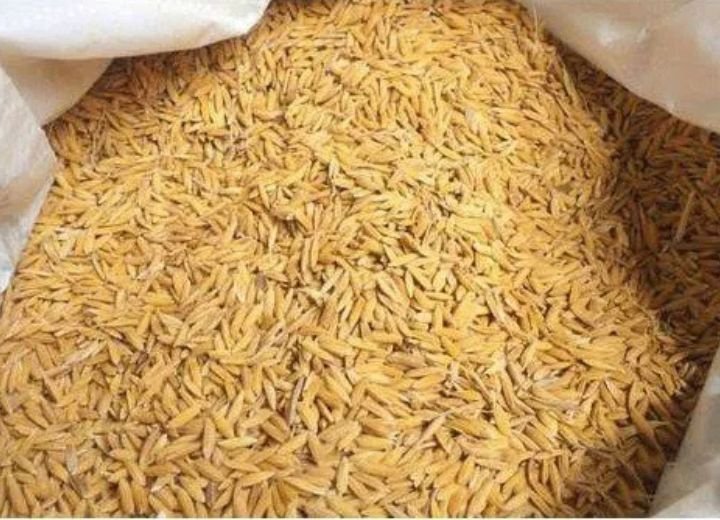
3. Moisture Content in Paddy Rice for Export
Moisture is one of the most critical factors in paddy rice export quality standards.
Ideal moisture level:
- 12% to 14%
If moisture is too high:
- Risk of fungus and bacterial growth
- Short shelf life
- Shipment damage during transit
If moisture is too low:
- Rice becomes brittle
- High breakage during milling
Proper moisture balance ensures best quality rice for international trade.
4. Foreign Matter and Purity Check
Cleanliness is essential in export-grade rice.
High-quality paddy rice must be free from:
- Stones and dust
- Husk and straw
- Damaged grains
- Weed seeds and impurities
Even a small amount of foreign material can cause rejection in international inspection. This step is essential in how to choose rice for export business successfully.
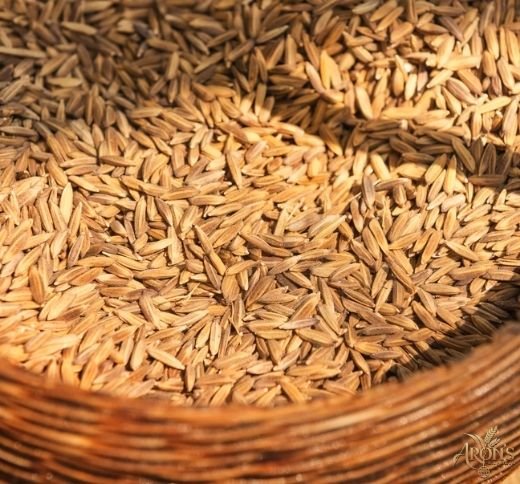
5. Milling Quality and Head Rice Recovery
Milling performance determines profitability in rice export.
Good export-quality paddy rice should have:
- High head rice recovery
- Low broken rice percentage
- Strong grain structure
Higher milling yield means:
- More usable rice output
- Better profit margins
- Stronger export competitiveness
6. Aroma and Texture (Important for Basmati Export)
For basmati rice exporters, aroma is a key selling point.
High-quality basmati rice should have:
- Natural fragrance
- Long grain expansion after cooking
- Soft and fluffy texture
These factors significantly impact export quality basmati rice selection.
7. Rice Aging for Export Market Demand
Aging plays a major role in premium rice export.
Benefits of aged rice:
- Better aroma development
- Improved cooking expansion
- Less stickiness
- Higher international demand
Best aging period:
- 6 months to 2 years
Aged rice is preferred in many international rice export markets.
8. Proper Grading and Sorting Techniques
Grading ensures only premium rice is selected for export.
Common grading categories:
- Premium Export Grade (A++)
- Standard Export Grade
- Broken Rice Grade
Modern exporters use:
- Mechanical sorting machines
- Manual inspection teams
This ensures accurate rice grading and export quality control.
9. Packaging and Storage for Export Quality Maintenance
Even high-quality rice can get damaged without proper storage.
Best practices:
- Moisture-proof packaging
- Controlled warehouse temperature
- No direct sunlight exposure
- Airtight export-grade bags
Proper packaging ensures rice maintains export quality standards until delivery.
10. Testing, Inspection, and Certification
Export success depends on proper quality certification.
Key tests include:
- Moisture test
- Grain length measurement
- Broken percentage test
- Laboratory certification
Most international buyers require certified paddy rice export quality standards compliance before purchase. Explore our organic certified paddy rice products to see how we meet these standards.
Common Mistakes in Rice Export Business
Many exporters fail due to avoidable mistakes:
- Ignoring moisture levels
- Mixing rice varieties
- Poor storage conditions
- Skipping quality testing
- Incomplete grading process
Avoiding these mistakes improves success in rice export business.
Frequently Asked Questions
How to select top quality paddy rice for export success?
To select top quality paddy rice for export success, exporters must check grain uniformity, moisture content (12–14%), purity, milling quality, and proper grading.
What is the ideal moisture content for export quality paddy rice?
The ideal moisture content for export-quality paddy rice is between 12% and 14%.
Why is grain uniformity important in rice export?
Grain uniformity ensures consistent cooking, better appearance, and higher market value.
What impurities should be removed from paddy rice before export?
Impurities such as stones, dust, husk, straw, and damaged grains must be removed before export.
Why is rice aging important for export markets?
Rice aging improves aroma, cooking expansion, and texture, making it more suitable for export markets.
Conclusion
Understanding how to choose top quality paddy rice for export is key to global trading success. Moisture control, grain grading, and export certificates all help meet global quality standards. By choosing high-quality paddy rice using the right selection methods, exporters can increase profits. They can build stronger relationships with buyers. They can also expand in global markets.
Aronbaijnauth shares insights and knowledge to help exporters improve quality standards. It also helps them strengthen their position in the global rice trade.
Browse our blog articles, explore paddy rice products, or contact us for export support.
Related article: Top Quality Paddy Rice: The Secret to Perfect Rice Dishes